
The Arabic language is celebrated for its phonetic richness. Every letter has a designated anatomical origin within the vocal apparatus known as its Makhraj (plural: Makharij). Pronouncing a letter from even a fraction of an inch away from its true origin alters its phonetic identity and can corrupt the sacred meaning of the Quran.
{{AYAH:55:1-4}} [Placeholder: Surah Ar-Rahman, Ayat 1 to 4 — Allah taught the Quran, created man, and taught him articulate speech]
Following the authoritative classification of Imam Ibn al-Jazari, there are 5 major areas encompassing 17 specific articulation points:
1. Al-Jawf (The Empty Space in the Mouth & Throat) — 1 Makhraj
This area encompasses the open vocal tract without direct physical contact between articulators. It produces the three long elongation letters (Huroof al-Madd):
- Elongated Alif preceded by Fatha.
- Elongated Waw preceded by Dammah.
- Elongated Yaa preceded by Kasra.
2. Al-Halq (The Throat) — 3 Makharij (6 Letters)
The throat is partitioned into three distinct segments:
- Aqsa al-Halq (Deepest throat near vocal cords): Produces Hamzah (ء) and Haa (هـ).
- Wasat al-Halq (Middle throat near epiglottis): Produces ’Ayn (ع) and Haa (ح).
- Adna al-Halq (Upper throat near back of mouth): Produces Ghayn (غ) and Khaa (خ).
3. Al-Lisaan (The Tongue) — 10 Makharij (18 Letters)
The tongue is the most versatile articulatory muscle, responsible for over half the alphabet:
- Aqsa al-Lisaan (Deep back of tongue):
- Raised against soft palate: Qaaf (ق).
- Slightly lower against soft/hard palate junction: Kaaf (ك).
- Wasat al-Lisaan (Middle of tongue against hard palate): Produces Jeem (ج), Sheen (ش), and non-elongated Yaa (ي).
- Hafatah al-Lisaan (Edges of tongue):
- Against upper molars with Istitalah: Dhad (ض).
- Front edges against upper gums: Laam (ل).
- Taraf al-Lisaan (Tip of tongue):
- Tip against gums below Laam: Noon (ن).
- Tip near upper gums with slight vibration: Raa (ر).
- Tip against root of upper two front incisors: Taw (ط), Daal (د), and Taa (ت).
- Tip between edges of upper and lower incisors: Saad (ص), Zay (ز), and Seen (س) (Huroof As-Safeer).
- Tip against edges of upper incisors: Dhaw (ظ), Dhaal (ذ), and Thaa (ث).
4. Ash-Shafataan (The Lips) — 2 Makharij (4 Letters)
- Inside edge of lower lip against edges of upper incisors: Produces Faa (ف).
- Between both lips:
- Closing lips firmly: Baa (ب).
- Closing lips with light contact: Meem (م).
- Rounding lips without complete closure: Non-elongated Waw (و).
5. Al-Khayshoom (The Nasal Cavity) — 1 Makhraj
The nasal cavity produces no independent consonant letters; instead, it is the sole home of Ghunnah—the resonant nasal hum that accompanies Noon and Meem during rules of Idgham, Ikhfa, and Shaddah.
Master Makharij with Certified Guidance
Because muscle memory cannot be corrected solely by reading diagrams, learning under a certified Qari who models the exact tongue placement is essential.
Explore our master Tajweed Rules Explained pillar guide or enroll in our Online Tajweed Course. Schedule your evaluation today in our Free Trial Class.
Frequently Asked Questions
What does Makhraj mean in the science of Tajweed?
How many major areas of articulation exist?
Why is the letter Dhad considered unique to the Arabic language?
How can I identify the exact Makhraj of any Arabic letter?
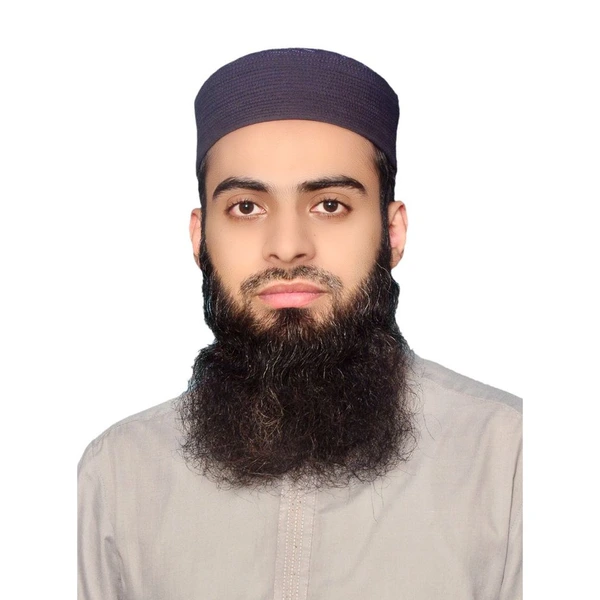
Reviewed by Sheikh Ahmad Huzaifi
Lead Faculty & Academic Director (PhD Islamic Studies)
Every guide published on Quran Classes Academy is vetted for scriptural integrity, authentic Tajweed methodology, and sound educational pacing. Written by Sheikh Ahmad Huzaifi on October 7, 2026.
Put These Principles Into Practice with a Qualified Teacher
Experience personalized one-to-one recitation assessment with certified male or female tutors. No commitment required.
Explore the Full Learning Path
Tajweed Rules Explained: The Complete Guide
This article is part of our comprehensive foundational pillar on tajweed rules explained.
Online Tajweed Course
Learn this subject 1-on-1 with certified instructors tailored to your schedule.